PPC Basics: How to Drive Traffic with Easy Ads
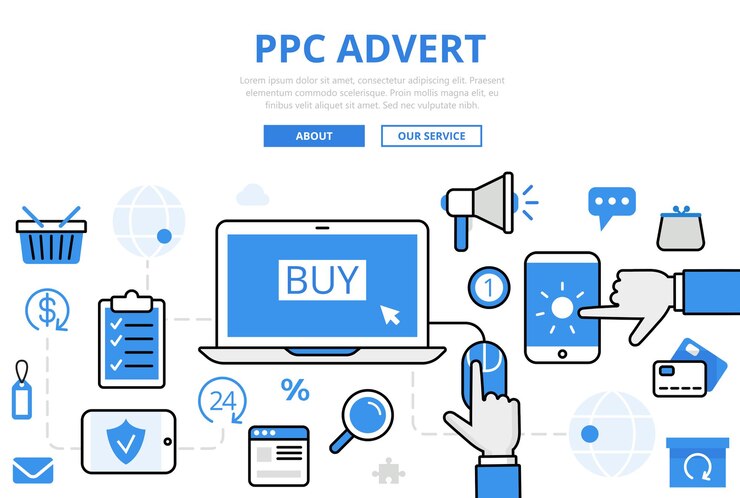
PPC, or Pay-Per-Click, is a popular online advertising model that helps businesses reach their target audience quickly. Unlike traditional advertising, where businesses pay upfront to display their ads, PPC allows them to pay only when someone clicks on their ad. This model is widely used across different platforms, making it an effective way to drive traffic to websites and increase visibility. In this guide, we will explore how PPC works, its benefits, and how to create a successful PPC campaign.
What is PPC?
PPC stands for Pay-Per-Click, which means advertisers pay a fee each time someone clicks on their ad. Instead of trying to earn visits to a website organically, businesses can buy traffic through PPC advertising. This model is most commonly associated with search engines but is also used on social media platforms and other websites.
How Does PPC Work?
Understanding how PPC works is crucial for businesses looking to implement this strategy effectively. Here’s a breakdown of the main components:
-
Ad Platforms: PPC ads can appear on various platforms. The most common ones include:
- Search Engines: Platforms like Google Ads and Bing Ads allow businesses to place ads that appear when users search for specific keywords.
- Social Media: Sites like Facebook, Instagram, and Twitter offer PPC options where ads are shown in users’ feeds based on their interests and behaviors.
- Websites: Many websites use ad networks like Google AdSense to display PPC ads.
-
Bidding: Advertisers choose keywords or placements they want to target and bid on them. The bid amount reflects how much they are willing to pay for each click on their ad. For example, if a business bids $2 for a keyword, it means they are willing to pay $2 each time someone clicks on their ad associated with that keyword.
-
Ad Auction: Whenever a user searches for something or visits a site with PPC ads, an auction occurs to determine which ads will be shown. This auction considers:
- Bid Amount: The amount the advertiser is willing to pay for a click.
- Ad Quality: The relevance and quality of the ad itself, often measured through a metric called Quality Score.
- User Relevance: How closely the ad matches the user’s search query or interests.
-
Cost: Advertisers are only charged when someone clicks on their ad, not when it is shown. This means that if your ad is displayed 1,000 times but only gets 100 clicks, you only pay for those 100 clicks. The cost per click (CPC) can vary based on competition for keywords and the quality of the ad.
-
Targeting: One of the biggest advantages of PPC is its targeting capabilities. Advertisers can narrow down their audience based on:
- Keywords: Specific words or phrases related to their products or services.
- Demographics: Age, gender, and other characteristics of potential customers.
- Geographic Location: Targeting users in specific regions or cities.
- Device: Ads can be tailored for mobile users, desktop users, or both.
- Interests: Targeting based on users’ interests and online behaviors.
-
Tracking and Optimization: Once a PPC campaign is live, advertisers monitor its performance using various metrics, including:
- Click-Through Rate (CTR): The percentage of people who click on the ad after seeing it.
- Conversion Rate: The percentage of visitors who complete a desired action, such as making a purchase or signing up for a newsletter.
- Return on Ad Spend (ROAS): The revenue generated for every dollar spent on advertising.
This data helps businesses make adjustments to improve their campaigns, such as tweaking ad copy, changing keywords, or modifying targeting parameters.
Benefits of PPC Advertising
PPC offers several advantages that make it a popular choice for businesses of all sizes:
-
Immediate Traffic: One of the most significant benefits of PPC is the speed at which it can drive traffic to your website. Unlike SEO, which can take time to show results, PPC ads can appear almost instantly once the campaign is set up.
-
Targeted Reach: With PPC, businesses can target specific audiences based on various factors, ensuring that their ads are seen by people most likely to be interested in their products or services.
-
Budget Control: Advertisers have complete control over their budgets. They can set daily or monthly spending limits, ensuring they don’t overspend on advertising.
-
Measurable Results: PPC campaigns provide a wealth of data that allows businesses to measure their effectiveness. This data can be analyzed to refine strategies and improve results over time.
-
Brand Visibility: Even if users don’t click on the ads, seeing a brand in the search results can increase awareness and familiarity, making them more likely to remember the brand later.
-
Flexibility: PPC campaigns can be easily adjusted or paused at any time. If something isn’t working, advertisers can change their approach without significant delays.
Creating a Successful PPC Campaign
To get the most out of PPC advertising, businesses should follow these steps:
Step 1: Define Your Goals
Before starting a PPC campaign, it’s essential to define clear goals. Are you looking to increase website traffic, generate leads, or boost sales? Having specific objectives will help shape your campaign strategy.
Step 2: Conduct Keyword Research
Keyword research is crucial for any PPC campaign. Use tools like Google Keyword Planner, SEMrush, or Ahrefs to identify relevant keywords that your audience is searching for. Look for a mix of:
- Short-Tail Keywords: General keywords with high search volume (e.g., “shoes”).
- Long-Tail Keywords: More specific phrases with lower search volume but higher intent (e.g., “running shoes for flat feet”).
Step 3: Choose Your Ad Platforms
Decide where you want to run your PPC ads. Google Ads is the most popular choice for search ads, while social media platforms like Facebook and Instagram are great for visual content and targeting specific demographics.
Step 4: Create Compelling Ad Copy
Your ad copy should be clear, engaging, and relevant to the keywords you are targeting. Highlight the benefits of your product or service and include a strong call to action (CTA) that encourages users to click. For example:
- “Shop the Best Running Shoes – Free Shipping on Orders Over $50!”
Step 5: Set Your Budget and Bids
Determine how much you are willing to spend on your PPC campaign. Set a daily budget that you’re comfortable with and decide on your bidding strategy. You can choose between:
- Manual Bidding: You set the maximum amount you’re willing to pay for each click.
- Automated Bidding: The platform adjusts your bids to maximize results based on your goals.
Step 6: Launch Your Campaign
Once everything is set up, launch your PPC campaign! Monitor its performance closely during the first few days to ensure everything is running smoothly.
Step 7: Monitor and Optimize
Regularly check your campaign’s performance using the metrics mentioned earlier. Look for areas to improve, such as:
- Adjusting Bids: Increase bids for high-performing keywords and decrease for underperformers.
- Testing Different Ads: Create variations of your ad copy to see which performs better (A/B testing).
- Refining Targeting: Adjust your audience targeting based on what you learn from user interactions.
Common Mistakes to Avoid
While PPC can be highly effective, businesses can make mistakes that hinder their success. Here are some common pitfalls to watch out for:
-
Ignoring Keyword Research: Failing to conduct thorough keyword research can lead to targeting irrelevant keywords, wasting your budget.
-
Not Tracking Performance: If you don’t monitor your campaigns, you won’t know what’s working and what’s not. Regular analysis is essential for improvement.
-
Neglecting Ad Quality: Low-quality ads can lead to poor click-through rates and higher costs. Focus on creating high-quality, relevant ads.
-
Setting It and Forgetting It: PPC requires ongoing management and optimization. Don’t launch a campaign and leave it untouched.
-
Poor Landing Pages: Directing traffic to poorly designed landing pages can lead to high bounce rates and low conversion rates. Ensure that your landing pages are user-friendly and relevant to your ads.
Conclusion
PPC advertising is a powerful tool for driving traffic and achieving marketing goals. By understanding how PPC works and following best practices, businesses can create effective campaigns that reach their target audience and deliver measurable results. With the right strategy, PPC can be a valuable part of your overall marketing efforts, complementing other strategies like SEO to maximize online visibility and growth. Whether you’re just starting or looking to refine your existing campaigns, mastering PPC can significantly enhance your digital marketing success.