

SEO Strategies to Boost Online Sales
SEO Strategies to Boost Online Sales

What is SEO?
SEO, or Search Engine Optimization, helps people find your website when they search online. Think about it like this: if you have a toy store and someone types “buy toys” into Google, you want your store to show up in those results. Good SEO makes that happen, which means more visitors to your site and potentially more sales!
Why is SEO Important for Online Sales?
Here’s why SEO is a game changer for your online business:
- More Visitors: When your website is easy to find, you get more traffic. More visitors mean more chances to sell.
- Better Ranking: Good SEO helps your site rank higher on search engines. The higher you rank, the more people will see your store.
- Builds Trust: Users often trust websites that show up on the first page of search results. Good SEO can help you build that trust.
- Cost-Effective: Unlike ads, you don’t have to pay every time someone clicks on your site. SEO is a more sustainable way to engage customers.
Simple SEO Strategies to Boost Online Sales
Let’s dive into some straightforward steps you can take to improve your SEO.
Step 1: Find the Right Keywords
Keywords are the words or phrases people use to search online. Finding the right ones is essential.
- Think Like a Customer: Put yourself in your customers’ shoes. What would they type in to find your products? If you sell stuffed animals, think about terms like “cute stuffed animals” or “soft toys.”
- Use Keyword Tools: Tools like Google Keyword Planner can help you find popular search terms.
- Look at Competitors: Check out other businesses in your niche. See what keywords they’re using and what seems to work for them.
Step 2: Optimize Your Website
Now that you have your keywords, it’s time to use them on your site.
- Use Keywords in Titles: Make sure your page titles include keywords. Instead of just saying “Toys,” go for something like “Cute Stuffed Animals for Sale.”
- Write Good Descriptions: Create engaging and clear product descriptions, naturally incorporating your keywords. Explain what makes your product special.
- Organize with Headings: Use headings to break up content and include keywords. This makes your site easier to read.
- Add Alt Text to Images: Use alt text for images to describe them and include keywords. For example, “Cute stuffed animal on a shelf.”
Step 3: Create Quality Content
Creating valuable content helps attract visitors and keeps them engaged.
- Blog Posts: Write about your products, offering tips or sharing the story behind them. For example, “How to Choose the Perfect Stuffed Animal.”
- How-To Guide: Provide helpful guides related to your products. For instance, “Fun Games to Play with Your Stuffed Animals.”
- Customer Stories: Feature testimonials or stories from customers. This personal touch can make your brand more relatable.
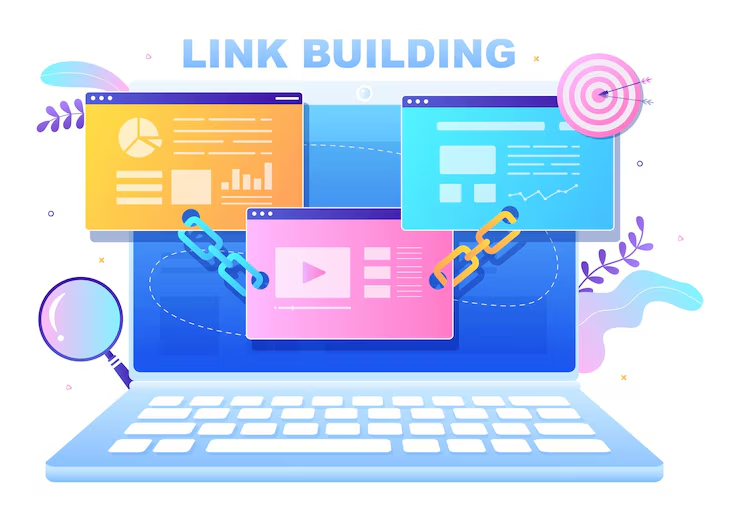
Step 4: Build Links
Links are pathways that lead people to your site. The more you have, the easier it is for visitors to find you.
- Use Social Media: Promote your products on platforms like Instagram and Facebook. When people share your posts, it creates links back to your site.
- Collaborate with Others: Team up with other sellers to cross-promote each other’s sites.
- Join Online Communities: Get involved in relevant forums or groups, sharing knowledge and including links to your site when appropriate.
Step 5: Leverage Social Media
Social media can be a powerful tool to boost your online presence.
- Share Your Products: Post eye-catching photos of your products on social media, using relevant keywords in your captions.
- Engage with Followers: Respond to questions and show appreciation to your audience. This helps build a community around your brand.
- Use Hashtags: Implement relevant hashtags like #StuffedAnimals or #ToyStore to reach a wider audience.
Step 6: Make Your Website Mobile-Friendly
With so many people shopping on their phones, a mobile-friendly website is essential.
- Responsive Design: Ensure your site looks good on all devices. A responsive design adjusts to different screen sizes.
- Fast Loading Speed: Optimize your site to load quickly. Slow-loading pages can turn visitors away.
- Easy Navigation: Make it simple for visitors to find what they’re looking for with clear menus and buttons.
Step 7: Track Your Results
It’s important to monitor your SEO efforts to see what’s working.
- Website Traffic: Check how many visitors you’re getting. An increase usually means your SEO is effective.
- Keyword Rankings: Keep an eye on where your site ranks for target keywords. Aim for improvement over time.
- Sales Tracking: Watch your sales numbers. If they’re going up, that’s a good sign that your SEO is helping.
Step 8: Stay Updated with SEO Trends
SEO is always changing, so it’s important to keep learning.
- Follow SEO Blogs: Subscribe to blogs that focus on SEO for the latest tips and strategies.
- Join Online Courses: Consider taking online courses to deepen your knowledge of SEO.
- Attend Workshops: Look for local workshops where you can learn from experts and network with other sellers.
Step 9: Be Patient
Remember, SEO takes time. You might not see immediate results, so stay persistent. The more effort you put in, the better your results will be over time.
Conclusion
Implementing these SEO strategies can significantly boost your online sales. By finding the right keywords, optimizing your website, creating valuable content, and building links, you can improve your visibility online. Don’t forget to use social media, ensure your site is mobile-friendly, and keep track of your results. With dedication and time, you can grow your online sales and reach more customers.



Your article helped me a lot, is there any more related content? Thanks!