Best Off-Page SEO Techniques
Best Off-Page SEO Techniques: A Comprehensive Guide
Introduction
Hi there! Today, we’re going to talk about something really cool called Off-Page SEO. You might be wondering, “What is that?” Well, Off-Page SEO is all about making your website more popular and helping more people find it when they search online. In this guide, we’ll learn what Off-Page SEO is, some easy ways to do it. Let’s get started
What is Off-Page SEO?
Off-page SEO refers to all the actions taken beyond your website that influence its search engine rankings. This includes building backlinks, engaging with users on social media, and developing relationships in online communities. Implementing strong off-page strategies enhances your site’s credibility, increases traffic, and improves search rankings.
1. Building High-Quality Backlinks
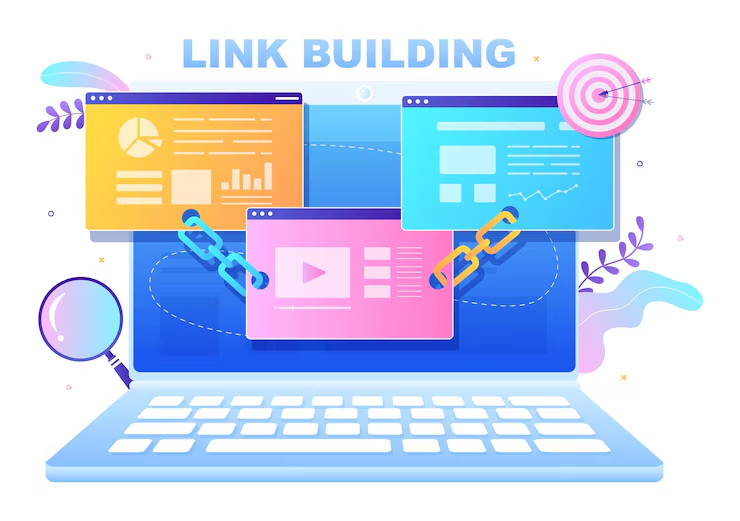
Backlinks act as endorsements from other sites, indicating to search engines that your content is reliable and valuable.
How to Earn Quality Backlinks:
- Guest Blogging: Write informative posts for other relevant blogs, including links to your own content.
- Collaborative Projects: Partner with other creators to produce mutually beneficial content.
Example: If you manage a health blog, guest post on a reputable wellness site, integrating links to relevant articles on your own blog.
2. Leveraging Social Media Platforms
Social media provides an excellent avenue for expanding your audience. Sharing content on platforms like Facebook, Instagram, and Twitter can significantly increase traffic to your site.
Effective Social Media Strategies:
- Consistent Posting: Keep your audience engaged with regular updates.
- Visual Content: Use eye-catching images and videos to attract attention.
Example: For a travel blog, share stunning visuals from your trips to encourage followers to explore your articles.
3. Engaging in Niche Communities
Participating in forums and online groups related to your niche can strengthen your online presence. By sharing your expertise and linking to your content, you can drive traffic.
Best Practices for Community Engagement:
- Provide Value: Share useful insights and solutions to relevant questions.
- Include Links Thoughtfully: When appropriate, direct readers to your articles.
Example: If you’re into technology, engage in tech forums, answering questions and linking to your blog for more in-depth information.
4. Partnering with Influencers
Working with influencers can help you reach a broader audience through their established credibility in your niche.
Steps for Successful Influencer Outreach:
- Identify Relevant Influencers: Look for those who align with your brand values.
- Build Relationships: Engage with their content to foster rapport before reaching out.
Example: If you run a beauty blog, consider asking a popular beauty influencer for a review of your products or a mention in their content.
5. Creating Highly Shareable Content
Content that resonates with your audience is more likely to be shared, boosting your off-page SEO efforts. This can include infographics, quizzes, and engaging articles.
Tips for Creating Shareable Content:
- Understand Your Audience: Tailor your content to their interests.
- Enhance Visual Appeal: Use striking graphics and videos to draw attention.
Example: A food blog could create an appealing infographic on healthy eating habits that encourages sharing on social media.
6. Engaging in Guest Blogging
Guest blogging is an effective way to tap into new audiences while gaining valuable backlinks.
Finding Guest Blogging Opportunities:
- Seek Relevant Blogs: Identify blogs in your niche that accept guest contributions.
- Propose Unique Ideas: Offer fresh, relevant topics that would interest their readers.
Example: If you specialize in personal finance, suggest a guest post for a well-known finance site discussing effective budgeting techniques.
7. Monitoring Your Online Reputation
Keeping track of your brand’s online reputation is crucial. Engaging with reviews and comments fosters trust and shows that you value customer feedback.
Managing Your Online Reputation:
- Regularly Check Review Sites: Monitor platforms like Yelp and Google Reviews for feedback.
- Engage with Reviews: Respond to positive comments and address any negative feedback professionally.
Example: When a customer leaves feedback about your service, reply thoughtfully to show your commitment to improvement.
8. Submitting to Online Directories
Listing your website in relevant online directories can enhance visibility, particularly for local businesses.
Tips for Effective Directory Submissions:
- Choose Quality Directories: Focus on reputable directories relevant to your niche.
- Ensure Consistent Information: Keep your business details uniform across all listings.
Example: If you run a local restaurant, make sure to list your business on Google My Business and other local directories to attract customers nearby.
9. Issuing Press Releases
When you have noteworthy news, such as a product launch or special event, a press release can generate attention and backlinks.
Crafting an Effective Press Release:
- Be Clear and Concise: Start with the most important information and provide details thereafter.
- Include Links: Add a link to your website for those seeking more information.
Example: Announce a new service launch with a press release that highlights its benefits and links back to your site.
10. Utilizing Content Marketing Platforms
Publishing your content on platforms like Medium or LinkedIn can help you reach wider audiences and drive traffic back to your site.
Best Practices for Content Platforms:
- Repurpose Existing Content: Adapt popular blog posts for these platforms to engage new readers.
- Engage with Your Audience: Respond to comments to foster connections and discussions.
Example: A digital marketing blog can share insights on LinkedIn to attract professionals interested in the latest trends.
11. Networking with Other Websites
Building relationships with other site owners can lead to collaborations that benefit both parties.
How to Network Successfully:
- Attend Industry Events: Participate in conferences, webinars, and meetups to connect with others in your field.
- Follow Up After Meetings: Send a friendly email to continue the conversation after meeting someone.
Example: A lifestyle blogger could network with fellow bloggers at events to exchange ideas and discuss potential collaborations.
12. Implementing Video Marketing
Utilizing video content can significantly enhance your off-page SEO efforts. Platforms like YouTube and TikTok provide great opportunities for audience engagement.
Creating Compelling Video Content:
- Focus on Engaging Topics: Choose subjects that resonate with your viewers.
- Include Links in Descriptions: Direct viewers to your website for more information.
Example: A DIY blog could create how-to videos that showcase projects, linking back to their site for detailed instructions.
13. Personalized Email Outreach
Crafting tailored emails to potential partners, influencers, or journalists can open doors for collaboration and backlinks.
Tips for Effective Email Outreach:
- Make Your Message Personal: Reference specific elements of the recipient’s work to show genuine interest.
- Clearly State Your Request: Be upfront about what you’re seeking, whether it’s collaboration or guest posting.
Example: When reaching out to a local blogger, compliment their recent post and suggest a collaborative project that could benefit both of you.
14. Hosting Webinars and Workshops
Organizing webinars can establish you as an authority in your field while driving traffic to your website.
Making Webinars Successful:
- Select Relevant Topics: Focus on areas that matter to your audience.
- Promote Extensively: Share your webinar details across social media and through email newsletters.
Example: A marketing agency could host a webinar on “Effective Email Marketing Strategies” and provide links to their website for further resources.
Conclusion
Off-page SEO is crucial for enhancing your website’s visibility and authority. By concentrating on quality backlinks, social media engagement, and various content marketing strategies, you can significantly boost your site’s performance.
Remember, off-page SEO requires ongoing effort and adaptability. Start applying these techniques today, and watch your online presence grow!