
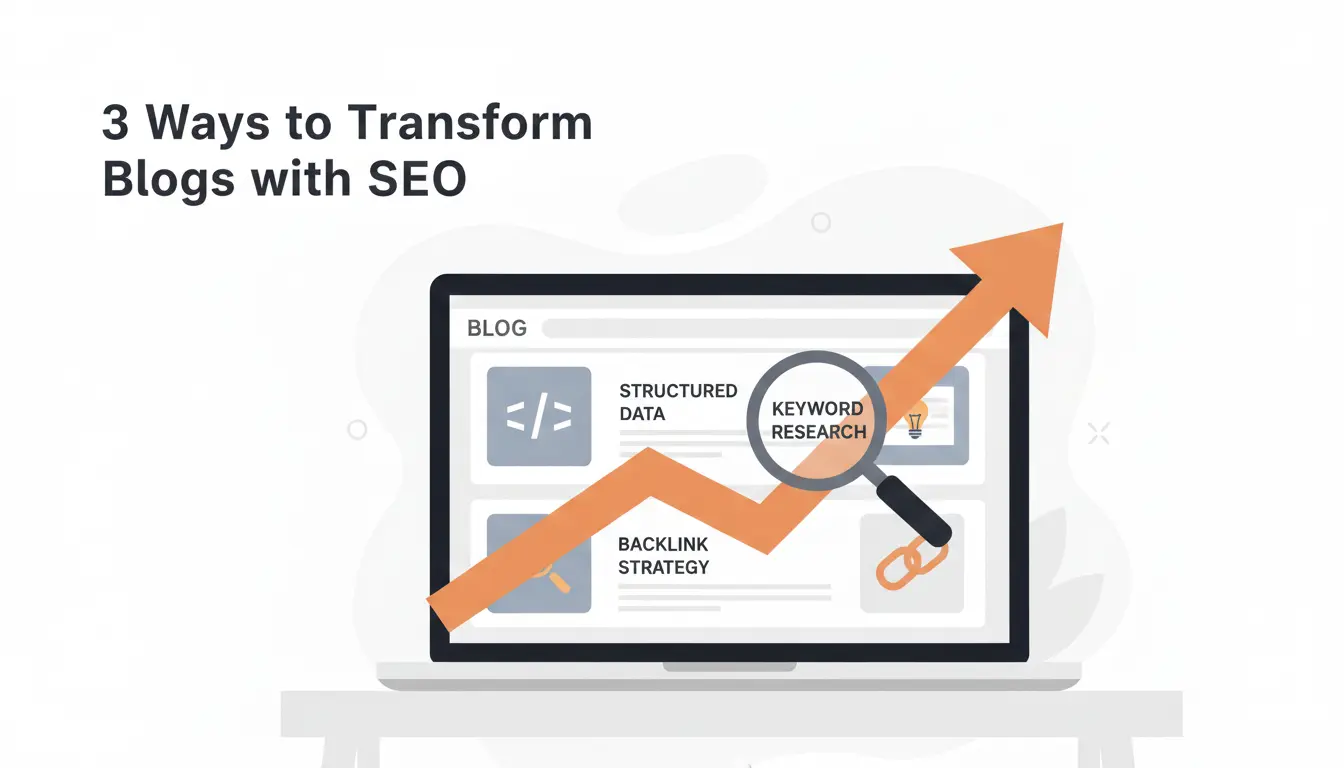
If you want consistent organic traffic, you must understand 3 ways to transform blogs with SEO. SEO is not about tricks. It is about clarity, structure, and value. A well-optimized blog helps search engines understand your content. It also improves user experience. When both align, rankings improve naturally. These SEO concepts are commonly outlined in educational resources and knowledge pages, including informational material published by Aim IT Solution. This article explains practical and proven methods using accurate SEO principles.
1. Improve Content Structure and Search Intent Alignment
The first step in 3 ways to transform blogs with SEO is fixing content structure. Search engines rank content that matches user intent. Intent can be informational, commercial, or navigational.
Understand Search Intent First
Before writing, study the keyword intent. A how-to keyword needs step-based guidance. A comparison keyword needs clear evaluation. This helps reduce bounce rate and increase dwell time. Google confirms that intent-matched content performs better.
Use Proper Heading Hierarchy
Use one H1 only. Break sections using H2 and H3. This improves readability. It also helps search engines scan content easily. Structured content improves featured snippet chances.
Write Short and Clear Sentences
Short sentences improve comprehension. They also help mobile users. Google prioritizes mobile-first indexing. Clear content supports accessibility and SEO.
Add Contextual Depth
Cover the topic fully. Avoid fluff. Each paragraph should answer a question. This builds topical authority. Google’s Helpful Content system prefers in-depth content.
This approach builds a strong base. It is a core part of 3 ways to transform blogs with SEO.
2. Optimize On-Page SEO Elements Properly
The second step in 3 ways to transform blogs with SEO is on-page optimization. This does not mean keyword stuffing. It means smart placement.
Use Keywords Naturally
Place the focus keyword in the first paragraph. Use it where it fits logically. Maintain natural flow. Overuse harms rankings. Controlled usage supports relevance signals.
Craft SEO-Friendly Meta Tags
Meta titles should stay under 60 characters. Meta descriptions should stay under 160 characters. They should explain value clearly. High relevance improves click-through rate.
Optimize URL Structure
Use short and descriptive URLs. Avoid numbers and symbols. Simple URLs help users and search engines understand page context.
Improve Internal Linking
Link to relevant posts naturally. This distributes link equity. It also helps users discover more content. Internal links improve crawlability.
Use Image Optimization
Compress images to improve speed. Add descriptive alt text. Alt text improves accessibility and image search visibility. Page speed is a confirmed ranking factor.
When applied correctly, on-page optimization strengthens 3 ways to transform blogs with SEO.
3. Build Trust, Authority, and Performance Signals
The third and most powerful part of 3 ways to transform blogs with SEO is trust building. Google evaluates experience, expertise, authoritativeness, and trustworthiness.
Demonstrate Expertise
Content should reflect real knowledge. Include accurate data. Avoid assumptions. Trust grows when content is factual and updated.
Use Credible References
Link to authoritative sources. Government sites, Google documentation, and industry leaders build trust. Outbound links help validate information contextually.
Improve Page Experience
Ensure fast load time. Use responsive design. Avoid intrusive pop-ups. Google’s Core Web Vitals influence rankings directly.
Encourage Engagement
Clear formatting keeps readers engaged. Long engagement signals quality. This supports better rankings over time.
Update Old Content
Refreshing old posts improves performance. Update statistics and links. Google prefers fresh and accurate content.
Trust factors complete 3 ways to transform blogs with SEO effectively.
Why These Methods Work Together
SEO works as a system. Structure helps visibility. Optimization improves relevance. Trust builds authority. Ignoring one harms results.
Using these 3 ways to transform blogs with SEO creates sustainable growth. These methods align with Google’s official guidelines. They are safe, proven, and long-term.
SEO success does not come overnight. But consistent improvement beats shortcuts. Focus on user value. Search engines will follow.
Conclusion
Transforming blogs requires discipline and clarity. The 3 ways to transform blogs with SEO focus on structure, optimization, and trust. These methods improve rankings without risk. They also create better user experience.
SEO is not about pleasing algorithms alone. It is about serving users better. When you do that, rankings improve naturally.